Progressive Solutions in Mechanical Systems: Extensive Services for Today's Industries
Innovative solutions in mechanical engineering are redefining present-day industrial sectors. These breakthroughs are aimed at maximizing production output while overcoming operational hurdles. Advanced automation, robotics, and live analytics play pivotal roles in this ongoing evolution. As businesses work evidence toward operational sustainability, the integration of advanced materials and practices becomes critically important. The significance of these changes are deeply significant, prompting a closer examination of their impact on design and implementation strategies. What emerging trends will define the future of mechanical systems?
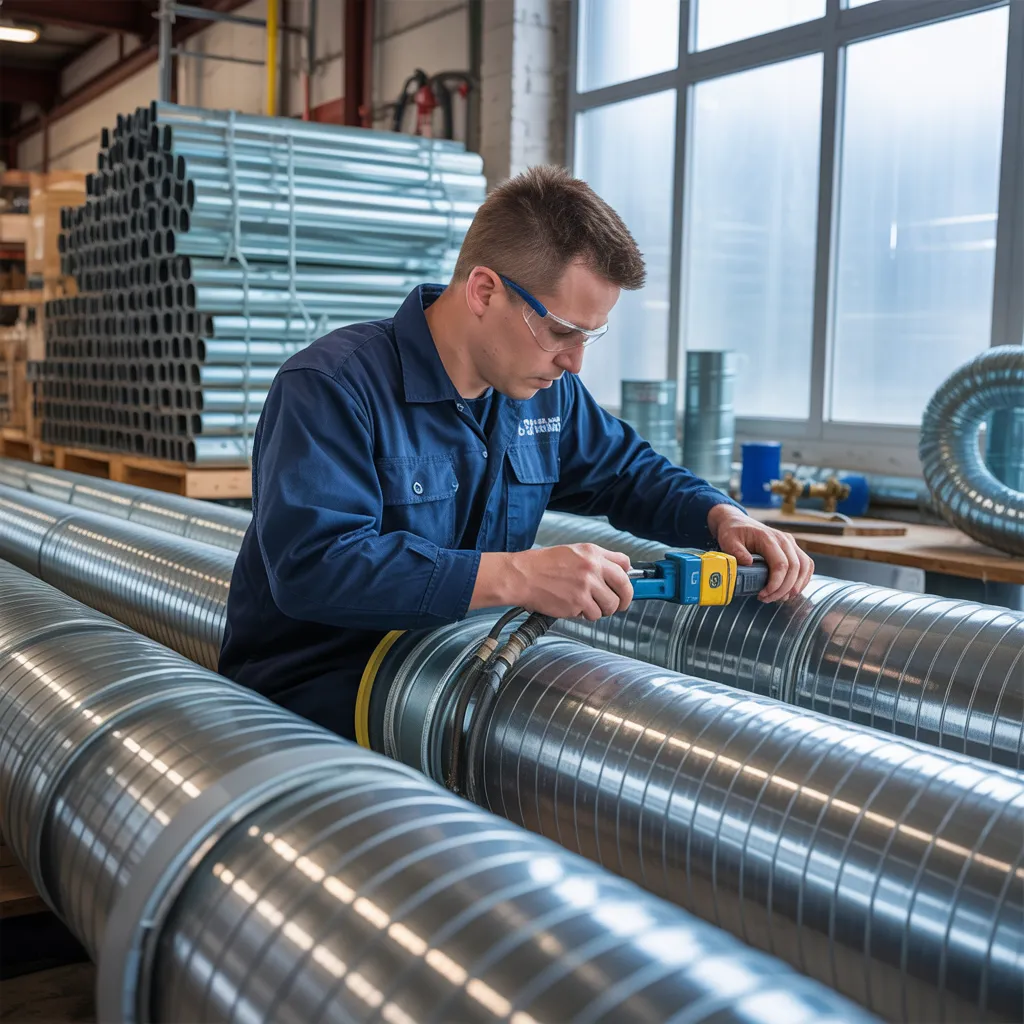
The Impact of Mechanical Systems on Modern Industries
In an era where efficiency and innovation are paramount, mechanical systems serve a vital function in contemporary industries. Such systems incorporate a broad spectrum of technologies, such as automation, robotics, and diverse machinery, all designed to enhance productivity. Within manufacturing, mechanical systems simplify operations, minimize human error, and improve resource allocation. Their incorporation supports the accelerated production of goods, allowing businesses to respond swiftly to market demands.
In addition, mechanical systems are instrumental to the consistency and reliability of industrial operations. Predictive maintenance techniques, powered by advanced sensors and data analytics, guarantee systems run at maximum efficiency, limiting periods of inactivity. Such dependability is essential in industries including automotive, energy, and aerospace fields, where exactness and security are absolute requirements. Ultimately, the contribution of mechanical systems is irreplaceable, spearheading progress that simultaneously improve efficiency and stimulate innovation across a wide range of industrial environments.
Innovations Addressing Challenges in Mechanical Systems
Innovations in industrial machinery are vital for addressing modern obstacles faced by the industrial sector. Sophisticated robotics implementation optimizes the efficiency of automation, while predictive maintenance techniques reduce costly downtime and expenses. Furthermore, innovations in energy efficiency support sustainability goals, making these advancements indispensable for long-term progress.
Advanced Robotics Integration
As industries face growing complexity in challenges, the integration of advanced robotics into mechanical systems emerges as a pivotal solution. Such integration boosts operational efficiency, facilitating accurate automation in production processes. Robots integrated with artificial intelligence can adapt to varying tasks, improving production workflows and decreasing human error. Additionally, cutting-edge sensors support real-time data acquisition, supporting improved decision-making and efficient resource allocation. These robotic systems also improve workplace safety by taking on hazardous tasks, thereby minimizing risks to human workers. Beyond this, the flexibility of robotic solutions supports customization, empowering industries to react promptly to market needs. Altogether, advanced robotics adoption signifies a substantial leap forward in addressing the multifaceted challenges faced by modern mechanical systems.
Anticipatory Maintenance Methods
Harnessing the power of data analytics, predictive maintenance techniques have emerged as a groundbreaking solution in industrial machinery management. Through the use of instantaneous data collected from machines and sensors, these methods allow businesses to foresee equipment malfunctions before they take place. This forward-thinking approach reduces operational downtime, optimizes maintenance schedules, and extends the lifespan of critical assets. Cutting-edge algorithms evaluate past performance records, identifying patterns and anomalies that signal potential issues. Therefore, companies can manage resources more strategically, minimizing expenditures tied to emergency maintenance and operational delays. Furthermore, adopting predictive maintenance cultivates an environment of ongoing enhancement, motivating sectors to integrate cutting-edge solutions that improve dependability and efficiency. Consequently, businesses can sustain their competitive advantage in ever-evolving markets.
Energy Efficiency Breakthroughs
Given the increasing focus on sustainability, energy efficiency innovations are reshaping mechanical systems to address pressing challenges. These advancements focus on reducing energy consumption while maintaining ideal performance. Technologies such as variable frequency drives (VFDs) and advanced materials greatly enhance system efficiency, minimizing waste and lowering operational costs. Moreover, the adoption of smart sensors facilitates real-time tracking and responsive adaptations, optimizing energy consumption. Energy recovery systems, which harness waste energy for reuse, also play a critical role in achieving sustainability goals. By implementing these innovations, industries can not only comply with regulatory standards but also gain a competitive edge in a market increasingly driven by eco-conscious consumers. Consequently, energy efficiency innovations are pivotal for modern mechanical systems.
Ways Mechanical Systems Boost Efficiency and Sustainability
Mechanical systems redefine efficiency and sustainability across various industries by combining cutting-edge technologies and efficient processes. Such systems enhance resource management, cutting down on waste and reducing overall energy use. As an example, automated machinery accelerates production rates while reducing the likelihood of human error, contributing to increased output and superior quality. Additionally, predictive maintenance systems support timely corrective actions, preventing costly downtime and extending equipment lifespan.
Within industries such as manufacturing and construction, mechanical systems support the transition to clean energy alternatives, including solar and wind power, thereby advancing sustainability goals. Advanced sensors and IoT technology provide real-time monitoring and data analysis, maintaining maximum performance and allowing swift corrections to sustain system efficiency.
Furthermore, modular frameworks in mechanical systems contribute to sustainable operations by facilitating effortless upgrades and enhancements, eliminating the necessity of total system replacements. In summary, the adoption of these cutting-edge solutions substantially elevates operational performance and encourages a more sustainable industrial future.
The Impact of Comprehensive Mechanical Services on Design and Implementation
Since traditional design and implementation approaches tend to create inefficiencies, full-scale mechanical services deliver an innovative solution by combining sophisticated methodologies and state-of-the-art technologies. These solutions optimize and streamline workflows, allowing engineers to refine designs for maximum performance and cost-effectiveness. By leveraging computer-aided design (CAD) alongside advanced simulation tools, engineering teams can detect potential problems ahead of time, reducing the likelihood of costly revisions during later stages.
Additionally, wide-ranging mechanical solutions encourage collaboration across disciplines, ensuring that each facet of a project are coordinated from the beginning. This integrated approach minimizes miscommunication and accelerates project timelines. Additionally, the utilization of modern manufacturing techniques, such as modern additive fabrication, permits increasingly intricate designs that were previously unattainable. In the end, the integration of comprehensive mechanical solutions not only advances the design and implementation phases but also contributes to the overall sustainability and efficiency of contemporary industrial processes, placing organizations on a path to lasting success.
How Case Studies Illustrate Future Trends in Mechanical Systems
Case studies function as powerful instruments for showcasing how emerging technologies are reshaping engineering systems. By examining actual implementations, these evaluations offer understanding of innovative practices and potential future trends. This investigation reveals the dynamic interplay between emerging technologies and hands-on execution in the discipline.
Overview of Emerging Technologies
As sectors continue to adopt automation and advanced materials, pioneering innovations stand ready to reshape mechanical systems. Breakthroughs including additive manufacturing, advanced robotics, and smart sensors are reshaping how products are designed and produced. Case studies highlight how these technologies enhance efficiency, reduce waste, and enable customization. As an example, the adoption of AI-driven analytics in predictive maintenance has demonstrated considerable decreases in operational downtime, highlighting the industry's transition to more forward-thinking operational methods. Moreover, the adoption of advanced composite materials is paving the way for lighter, stronger components that can withstand extreme conditions. These advancements not only enhance performance but also align with sustainability goals, pointing toward a future of smarter, more durable, and eco-conscious mechanical systems. The trajectory of these technologies promises a new era of innovation.
Real-World Implementation Insights
Real-world applications of cutting-edge advancements in engineering systems provide important perspectives on evolving directions. Industry-specific examples highlight how advancements such as artificial intelligence, automation, and connected systems are reshaping how operations perform. For instance, a well-documented instance in automotive manufacturing showcased major improvements in manufacturing speed through intelligent automation systems. In the same vein, the aerospace field has benefited from 3D printing technologies, which allows for components that improve performance while minimizing weight. These instances not only emphasize direct gains but also signal a shift towards more sustainable practices and customization capabilities. As organizations integrate these technologies, the data gathered will inform future developments and influence the evolution of mechanical systems, making certain they address the dynamic requirements of today's marketplace.
What Lies Ahead for Mechanical Systems?
What advancements are on the horizon for mechanical systems? The future of mechanical systems is poised for transformative advancements driven by artificial intelligence, robotics, and sustainable practices. Sophisticated automation will empower systems to perform with heightened efficiency and adaptability, decreasing human error and operational costs. Additionally, the integration of IoT technologies will facilitate real-time monitoring and predictive maintenance, ensuring peak performance and longevity of equipment.
3D printing, also known as additive manufacturing, is set to redefine industrial production methods, facilitating advanced design capabilities and significantly cutting down on waste. Furthermore, the growing emphasis on sustainability will drive industries to embrace eco-friendly materials and responsible practices, supporting internationally recognized sustainability targets.
As industries evolve, the collaboration of engineers, software developers, and environmental scientists will be crucial to drive these innovations, making certain that mechanical systems not only fulfill the requirements of modern industries but also have a positive impact on society and the planet.
Questions Our Clients Often Ask
What Qualifications Should I Consider When Choosing a Mechanical Services Provider?
When choosing a mechanical services provider, one should prioritize criteria such as technical expertise, industry certifications, experience, and a demonstrated track record. Furthermore, evaluating customer feedback and service reliability can help ensure informed decision-making.
How Can I Measure the ROI of Mechanical System Upgrades?
To assess the return on investment of upgrades to mechanical systems, one should evaluate cost savings, increased efficiency, maintenance reduction, and productivity improvements. Measuring these metrics in relation to the original investment delivers valuable insight of financial benefits over time.
What Are Standard Maintenance Practices for Mechanical Systems?
Common maintenance practices for mechanical machinery encompass regular inspections, proper lubrication, alignment assessments, cleaning, vibration monitoring, and timely replacement of worn components. These practices are essential for achieving peak performance, prolonging equipment longevity, and minimize unexpected downtime.
In What Ways Do Mechanical Systems Integrate With Other Technologies?
Mechanical systems frequently combine with technologies such as IoT, automation, and data analytics. This integration boosts efficiency, supports predictive maintenance, and enables real-time monitoring, ultimately optimizing performance and reducing operational costs across various industries.
Which Industries Gain the Most From Innovative Mechanical Solutions?
Industries such as automotive, aerospace, healthcare, and manufacturing significantly benefit from cutting-edge mechanical advancements. Such developments boost efficiency, lower costs, and elevate product quality, thereby driving growth and sustainability in an increasingly technology-driven market.